Lung cancer screening can help detect lung cancer before symptoms appear, when treatment may be more effective. Understanding who should get lung cancer screening, which tests are recommended, and what risk factors matter can help people make informed decisions about their health.
For Nexus Specialty Clinic’s pulmonary health audience in Cypress, Texas, this topic is especially relevant to current and former smokers, people with a history of tobacco exposure, and individuals concerned about their lung health. However, screening is not recommended for everyone. Eligibility depends on factors such as age, smoking history, and overall health.
Quick Answer: Who Should Consider Lung Cancer Screening?
Lung cancer screening is generally recommended for adults aged 50–80 who currently smoke or previously smoked and have a significant smoking history. In the United States, the USPSTF recommends annual low-dose CT (LDCT) screening for people with at least a 20 pack-year history who currently smoke or quit within the past 15 years. Eligibility criteria can vary by guideline, so discuss your individual risk with a healthcare provider.
Key Takeaways
- Lung cancer screening can detect cancer before symptoms develop.
- Low-dose computed tomography (LDCT) is the recommended screening test for eligible high-risk adults.
- Age and smoking history are major factors in screening eligibility.
- A 20 pack-year smoking history is an important threshold in major U.S. guidelines.
- Family history, radon exposure, and occupational exposures can also affect lung cancer risk.
- Screening can lead to false-positive results and additional testing, so discuss its benefits and limitations with a provider.
- Quitting smoking remains one of the most important steps for reducing lung cancer risk.
What Is Lung Cancer Screening?
Lung cancer screening is a medical test used to look for early signs of lung cancer in people who do not have symptoms. Its purpose is to identify cancer at an earlier stage, when treatment may be more effective.
Unlike diagnostic testing, which investigates symptoms such as persistent coughing or unexplained weight loss, lung cancer screening focuses on people who meet specific risk criteria.
Why Is Early Lung Cancer Detection Important?
Lung cancer may not cause noticeable symptoms in its early stages. By the time symptoms develop, the disease may be more advanced.
Screening eligible high-risk individuals with LDCT can help detect lung cancer earlier and reduce the risk of dying from the disease. However, screening cannot prevent every lung cancer death or guarantee that cancer will be detected.
Who Should Consider Getting Tested for Lung Cancer?
Not everyone needs lung cancer screening. Eligibility generally depends on age, smoking history, and whether a person is healthy enough to benefit from treatment if cancer is detected.
1. Adults Aged 50–80 With a Significant Smoking History
The U.S. Preventive Services Task Force (USPSTF) recommends annual lung cancer screening for adults who:
- Are between 50 and 80 years old.
- Have a smoking history of at least 20 pack-years.
- Currently smoke or quit smoking within the past 15 years.
These criteria help identify people who may benefit from routine screening. A healthcare provider can assess your eligibility and discuss whether screening is appropriate for you.
2. Current Smokers
People who currently smoke cigarettes have an increased risk of lung cancer because tobacco smoke contains cancer-causing chemicals that damage lung cells.
If you are aged 50–80 and have a smoking history of at least 20 pack-years, discuss annual lung cancer screening with your healthcare provider. Quitting smoking is also essential for reducing future health risks.
3. Former Smokers
Quitting smoking reduces lung cancer risk over time, but the risk may remain elevated for years, depending on your smoking history and other factors.
Under USPSTF recommendations, eligible former smokers may receive annual screening if they quit within the past 15 years. The American Cancer Society’s 2023 guideline does not use years since quitting as an eligibility cutoff for otherwise eligible adults aged 50–80 with at least 20 pack-years. Your provider can help apply the appropriate guideline to your circumstances.
4. People With Other Lung Cancer Risk Factors
Smoking is the leading risk factor for lung cancer, but it is not the only one. Other factors can increase risk, including:
- Exposure to radon gas.
- Workplace exposure to asbestos and certain chemicals.
- A family history of lung cancer.
- Previous radiation therapy to the chest.
- Certain chronic lung diseases.
These factors do not automatically mean that routine LDCT screening is recommended. If you have never smoked or do not meet standard screening criteria, discuss your individual risk with a healthcare professional.

How Do You Calculate Your Smoking History in Pack-Years?
A pack-year measures cumulative cigarette smoking exposure. It is calculated by multiplying the average number of cigarette packs smoked per day by the number of years a person smoked.
For example:
| Smoking history | Pack-years |
|---|---|
| 1 pack daily for 20 years | 20 |
| 2 packs daily for 10 years | 20 |
| Half a pack daily for 40 years | 20 |
| 1 pack daily for 30 years | 30 |
One pack generally represents 20 cigarettes. If your smoking pattern changed over time, your healthcare provider can help calculate your total exposure.
Knowing your pack-year history makes it easier to determine whether you meet established lung cancer screening guidelines.
What Test Is Used for Lung Cancer Screening?
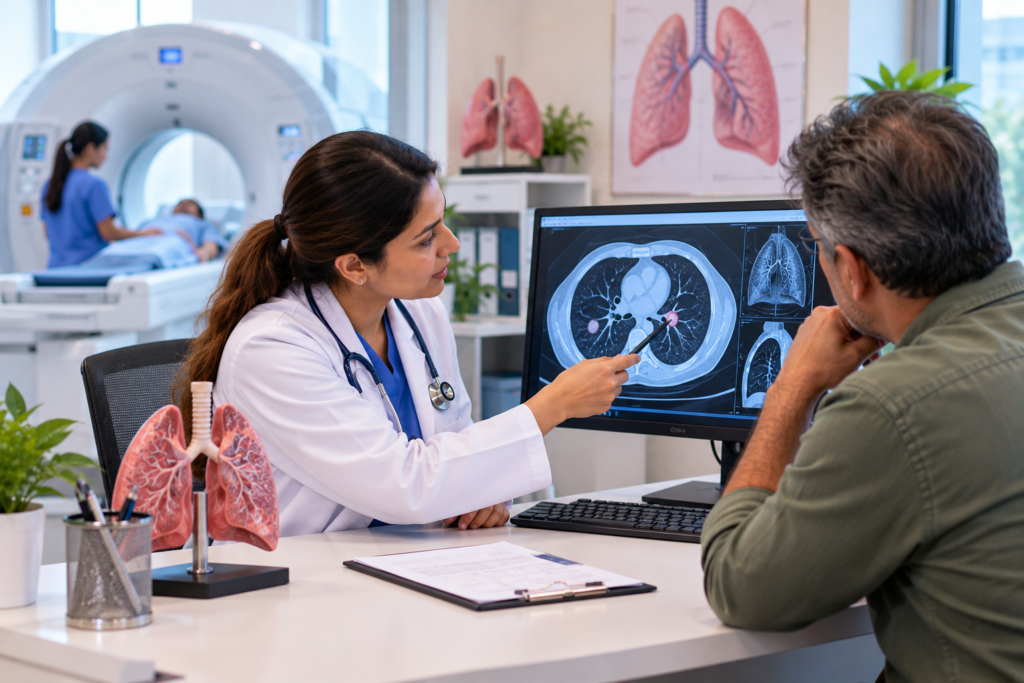
The recommended screening test for eligible high-risk adults is a low-dose CT scan, also called LDCT. It uses X-rays and computer processing to create detailed images of the lungs while using less radiation than a standard chest CT.
How Does a Low-Dose CT Scan Work?
During an LDCT scan, you lie on a table that moves through a CT scanner. The procedure is generally quick, painless, and does not usually require injections or contrast dye.
The scan produces images that a radiologist reviews for suspicious lung nodules or other abnormalities. If a finding needs further assessment, your healthcare provider will explain the next steps.
Is a Chest X-Ray Enough to Screen for Lung Cancer?
No. A standard chest X-ray is not recommended as a substitute for LDCT lung cancer screening in eligible high-risk adults. LDCT is more effective at detecting early lung cancers in this population.
Your provider may still order a chest X-ray for other clinical reasons, but it should not replace recommended screening.
What Are the Benefits of Lung Cancer Screening?
For people who meet screening criteria, annual LDCT can help detect lung cancer before symptoms appear. Early detection may provide more opportunities for effective treatment.
Key benefits include:
- Earlier detection: Identifies suspicious lung changes before symptoms develop.
- Potentially more treatment options: Early-stage cancers may be eligible for treatment with curative intent.
- Reduced lung cancer mortality: Evidence shows that LDCT screening can reduce lung cancer deaths in appropriately selected high-risk populations.
- Ongoing monitoring: Annual screening can identify changes in lung nodules over time.
The benefits are greatest when screening is performed in people who meet eligibility criteria and can undergo appropriate follow-up and treatment.
What Are the Risks and Limitations of Lung Cancer Screening?
Although lung cancer screening can save lives, it also has limitations. Before testing, discuss the potential benefits and harms with your healthcare provider.
False-Positive Results
A scan may reveal a lung nodule that looks suspicious but is not cancer. This can lead to repeat scans, additional testing, or occasionally invasive procedures.
Radiation Exposure
LDCT uses a lower radiation dose than standard chest CT, but exposure is not zero. The decision to screen should consider the potential benefit and cumulative risks.
Overdiagnosis and Incidental Findings
Screening can detect some cancers that might never have caused serious illness during a person’s lifetime. It may also reveal unrelated findings that require further investigation.
Screening Does Not Guarantee Prevention
A normal scan does not eliminate the possibility of lung cancer developing later. Eligible individuals should follow the recommended screening schedule and report new symptoms promptly.
What Symptoms Should You Never Ignore?
Lung cancer screening is intended for people without symptoms. If you have concerning symptoms, you may need diagnostic evaluation rather than a routine screening scan.
Contact a healthcare provider if you experience:
- A persistent or worsening cough.
- Coughing up blood.
- Unexplained weight loss.
- Persistent chest pain.
- New or worsening shortness of breath.
- Repeated respiratory infections.
These symptoms can have several causes and do not automatically indicate lung cancer. However, they should be assessed appropriately.
Seek urgent medical care for severe breathing difficulty or significant coughing up of blood.
How Can You Reduce Your Risk of Lung Cancer?
Screening helps detect cancer in eligible people, but reducing exposure to risk factors remains important.
Practical steps include:
- Quit smoking: Stopping smoking reduces future lung cancer risk and offers other health benefits.
- Avoid secondhand smoke: Limit exposure to tobacco smoke at home and work.
- Test for radon: Consider testing your home for radon, particularly in areas where exposure is a concern.
- Follow workplace safety measures: Use appropriate protection against asbestos and other hazardous substances.
- Discuss your risk: Review your smoking history and other risk factors with a healthcare provider.
Even if you qualify for lung cancer screening, quitting smoking remains an important part of protecting your long-term health.
When Should You Consult a Pulmonologist?
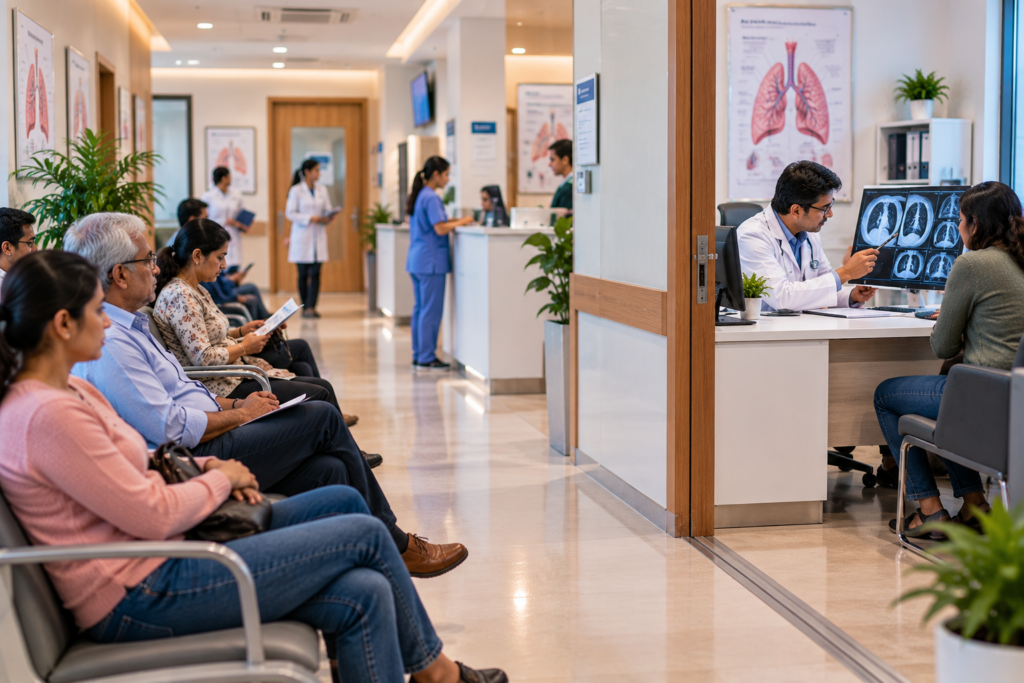
Consider consulting a pulmonologist if you have a significant smoking history, ongoing respiratory symptoms, or concerns about your lung cancer risk. A specialist can review your medical history, assess symptoms, and help determine whether screening or diagnostic testing is appropriate.
A healthcare provider can also explain LDCT eligibility, discuss the potential benefits and limitations of screening, and recommend further evaluation when necessary. Do not wait for a routine screening appointment if you develop symptoms such as coughing up blood or persistent, worsening breathing difficulties.
About Nexus Specialty Clinic
Nexus Specialty Clinic is a specialty healthcare clinic located in Cypress, Texas, offering consultations and diagnostic services for pulmonary, sleep-related, and other health concerns. Patients concerned about lung health, smoking-related respiratory problems, or persistent breathing symptoms can discuss their concerns and explore appropriate evaluation options.
The clinic provides specialty consultations and diagnostic assessments based on individual symptoms, medical history, and clinical needs. Patients can contact the clinic to ask about available pulmonary services and determine whether a referral or additional testing may be appropriate.
Services Offered by Nexus Specialty Clinic
Nexus Specialty Clinic offers services relevant to pulmonary health and breathing concerns, including:
- Pulmonary Consultations: Discuss persistent coughing, wheezing, shortness of breath, and other respiratory symptoms.
- Pulmonary Function Studies: Assess airflow and investigate possible lung function problems.
- Smoking Cessation Services: Seek support for quitting smoking and reducing further tobacco exposure.
- Home Sleep Studies: Evaluate suspected sleep-related breathing disorders when appropriate.
- Home Oxygen Evaluations: Assess oxygen needs based on individual medical conditions.
These services may help address respiratory concerns, but lung cancer screening with LDCT is a specific imaging procedure. Contact the clinic to confirm whether it offers this test or can help coordinate an appropriate referral.
Protect Your Lung Health With the Right Evaluation
If you are between 50 and 80 years old and have a significant smoking history, ask a healthcare professional whether lung cancer screening is appropriate for you. Understanding your eligibility and screening options can help you make an informed decision about your health.
Contact Nexus Specialty Clinic to ask about available pulmonary consultations and diagnostic services in Cypress, Texas.
Contact Information
Nexus Specialty Clinic
Phone: (281) 653-9123
FAQ’s – Lung Cancer Screening: Who Should Consider Getting Tested?
Q1. Who should get lung cancer screening?
Ans. Under USPSTF recommendations, adults aged 50–80 who have at least a 20 pack-year smoking history and currently smoke or quit within the past 15 years should consider annual LDCT screening.
Q2. What is the best test for lung cancer screening?
Ans. Low-dose computed tomography (LDCT) is the recommended screening test for eligible high-risk adults. It can detect suspicious lung nodules before symptoms develop.
Q3. Can nonsmokers get lung cancer screening?
Ans. Lung cancer can affect nonsmokers, but routine LDCT screening is not generally recommended for people who do not meet established high-risk criteria. Discuss individual risk factors with your healthcare provider.
Q4. How often should lung cancer screening be done?
Ans. Eligible individuals generally undergo LDCT screening once a year while they continue to meet the applicable screening criteria and can benefit from treatment.
Q5. Is lung cancer screening painful?
Ans. No. LDCT is a noninvasive scan that is generally painless, quick, and does not usually require needles or contrast dye.