Are you searching for how smoking affects lung function and increases the risk of chronic obstructive pulmonary disease (COPD)? Smoking is one of the leading causes of preventable lung damage. It exposes the airways to harmful chemicals that cause irritation, increase mucus production and damage the tissues responsible for breathing.
Over time, smoking and lung function are closely linked to problems such as persistent coughing, wheezing and shortness of breath. Continued exposure to tobacco smoke can increase the risk of COPD, a chronic lung disease that makes it harder to move air in and out of the lungs. Understanding the effects of smoking on the lungs can help you recognize warning signs, take steps to protect your respiratory health and seek medical evaluation when needed.
Quick Answer
Smoking affects lung function by irritating the airways, increasing mucus production and damaging the air sacs that help transfer oxygen. Long-term smoking increases the risk of COPD, including chronic bronchitis and emphysema. Quitting smoking can slow further lung damage and improve respiratory health, although some existing damage may be permanent.
Key Takeaways
- Smoking damages the airways and reduces lung function over time.
- Tobacco smoke increases inflammation and mucus production.
- Long-term smoking is a major risk factor for COPD.
- Persistent coughing, wheezing and breathlessness may indicate lung problems.
- Spirometry helps assess airflow and identify possible lung function problems.
- Quitting smoking can slow the progression of smoking-related lung damage.
- Early medical evaluation can help identify respiratory conditions and guide treatment.
How Does Smoking Affect Lung Function?
Healthy lungs allow air to flow freely through the airways and transfer oxygen into the bloodstream. Smoking introduces harmful chemicals that irritate the respiratory system and interfere with these processes.
The effects of smoking on lung function can develop gradually. Some changes may begin before noticeable symptoms appear, making it important to understand how tobacco smoke affects different parts of the lungs.
1. Causes Airway Inflammation
Tobacco smoke irritates the lining of the airways, causing inflammation and swelling. This can narrow the passages through which air travels and make breathing more difficult.
As inflammation continues, you may experience coughing, chest tightness, or wheezing due to smoking.
2. Increases Mucus Production
Smoking can increase mucus production and damage the tiny hair-like structures called cilia that help clear mucus and debris from the airways.
When mucus builds up, it can trigger a persistent cough and increase the risk of respiratory infections.
3. Damages the Air Sacs
The lungs contain tiny air sacs called alveoli, which allow oxygen to enter the bloodstream. Long-term smoking can damage their walls and reduce the lungs’ ability to exchange gases efficiently.
This damage is a major feature of emphysema, a type of COPD that can cause progressive breathlessness.
4. Reduces Breathing Efficiency
As airway inflammation and lung tissue damage progress, moving air in and out of the lungs becomes more difficult. Physical activities such as climbing stairs or walking may begin to cause shortness of breath.
These changes can indicate declining lung function due to smoking and should be evaluated if symptoms persist.
How Does Smoking Increase COPD Risk?
Chronic obstructive pulmonary disease (COPD) is a long-term lung condition that restricts airflow and makes breathing difficult. It includes chronic bronchitis and emphysema, which can occur together.
Smoking is a major risk factor for COPD because tobacco smoke repeatedly exposes the lungs to harmful substances. Not everyone who smokes develops COPD, but the risk increases with continued exposure.
Chronic Bronchitis
Chronic bronchitis involves long-term inflammation of the bronchial tubes, which carry air into and out of the lungs. It is commonly associated with persistent coughing and mucus production.
Smoking can worsen airway irritation and contribute to the development of chronic bronchitis.
Emphysema
Emphysema damages the walls of the air sacs, reducing their elasticity and making it harder to breathe out completely. Air can become trapped in the lungs, leading to breathlessness.
Smoking is a leading cause of emphysema and can contribute to progressive lung damage.
Why Continued Smoking Matters
Continued exposure to tobacco smoke can worsen inflammation and accelerate the decline in lung function. People with COPD who continue smoking may experience more rapid disease progression than those who quit.
Quitting smoking is one of the most important steps you can take to reduce further smoking-related lung damage.

Early Signs of Smoking-Related Lung Damage
Early symptoms of smoking-related lung damage may be mild and easy to overlook. However, recognizing these changes can help you seek medical advice before breathing problems become more severe.
Common warning signs include:
- Persistent cough: A cough that continues or frequently returns.
- Increased mucus: Regular phlegm production, particularly in the morning.
- Wheezing: A whistling sound when breathing.
- Shortness of breath: Difficulty breathing during routine activities.
- Chest tightness: A feeling of pressure or discomfort in the chest.
- Frequent respiratory infections: Repeated chest infections or prolonged respiratory symptoms.
These symptoms do not always mean you have COPD. Asthma, respiratory infections and other conditions can cause similar problems, so a healthcare professional can help determine the underlying cause.
Can Lung Function Improve After Quitting Smoking?
Yes, quitting smoking can improve respiratory health and help slow the progression of smoking-related lung damage. The body begins recovering from exposure to tobacco smoke after you stop smoking, although the extent of recovery varies between individuals.
Some people notice less coughing or easier breathing over time. However, established damage from emphysema or advanced COPD may not be reversible.
Benefits of quitting smoking include:
- Reduced exposure to harmful chemicals.
- Less ongoing irritation of the airways.
- Improved ability of the airways to clear mucus over time.
- Slower decline in lung function compared with continued smoking.
- Lower risk of developing several smoking-related diseases.
If quitting is difficult, ask a healthcare professional about smoking cessation counseling, nicotine replacement therapy, or other evidence-based options.
How Is Smoking-Related Lung Damage Diagnosed?
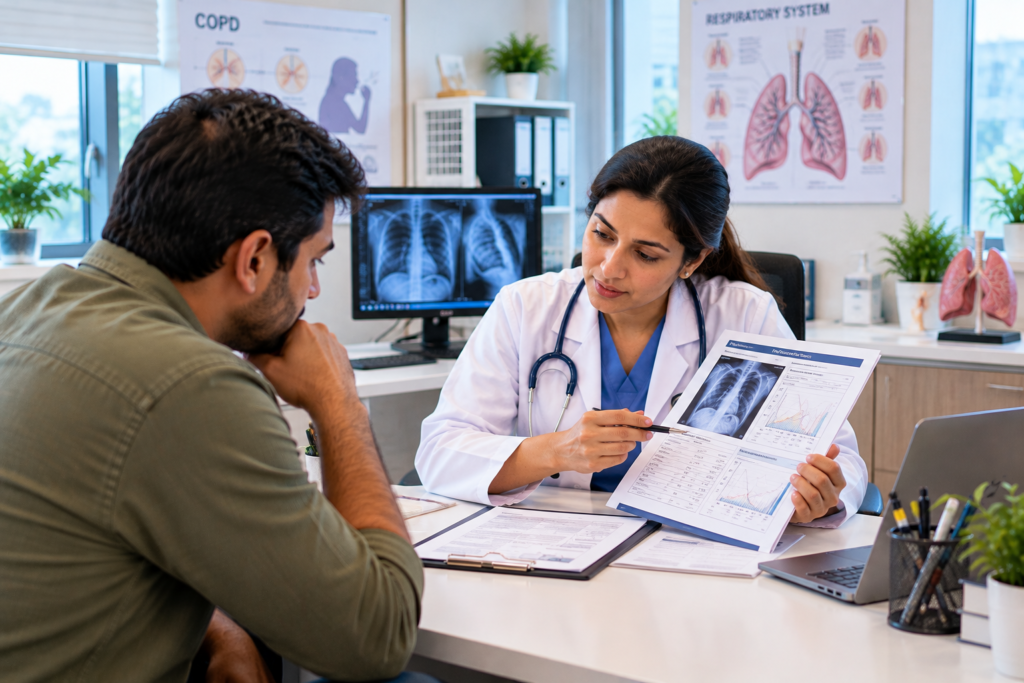
If you experience persistent coughing, wheezing, or shortness of breath, a healthcare provider may recommend tests to evaluate your lung health. The appropriate investigations depend on your symptoms, medical history and examination findings.
Medical History and Physical Examination
Your provider may ask about your smoking history, respiratory symptoms, previous lung conditions and exposure to dust or chemical irritants. They may also listen to your lungs and assess your breathing.
These findings help determine whether further testing is needed.
Spirometry and Pulmonary Function Tests
Spirometry measures how much air you can exhale and how quickly you can breathe it out. It helps identify airflow obstruction and is an important test when COPD is suspected.
Additional pulmonary function tests may be recommended to assess other aspects of breathing when clinically necessary.
Additional Diagnostic Tests
Depending on your symptoms, your healthcare provider may recommend a chest X-ray, oxygen level measurement, or other investigations to evaluate possible lung conditions.
A chest X-ray alone cannot confirm COPD. Diagnosis typically requires clinical assessment and spirometry demonstrating persistent airflow obstruction.
How Can You Protect Your Lung Function?
Protecting your lungs starts with reducing exposure to harmful substances and addressing breathing problems early. Although some smoking-related damage may be permanent, healthy habits can support respiratory health and help prevent further harm.
Consider these practical steps:
- Quit smoking: Avoid cigarettes and other tobacco products.
- Avoid secondhand smoke: Reduce exposure to smoke in your home and workplace.
- Limit airborne irritants: Avoid dust, chemical fumes and polluted environments when possible.
- Stay physically active: Follow an exercise routine suited to your health and fitness level.
- Follow medical advice: Use prescribed medications as directed if you have a respiratory condition.
- Monitor symptoms: Seek evaluation for persistent coughing, wheezing, or breathlessness.
If you already have COPD, follow your prescribed treatment plan and attend recommended follow-up appointments to monitor your lung function.
When Should You Consult a Pulmonologist?
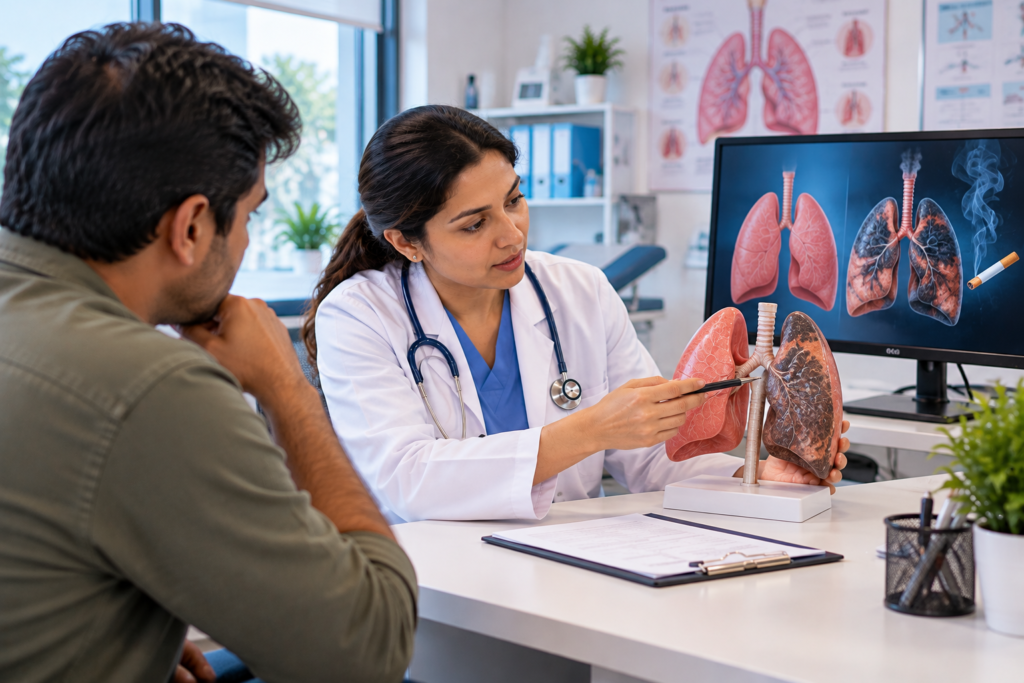
Consult a pulmonologist if you experience a persistent cough, recurring wheezing, or unexplained breathlessness, especially if you smoke or have a history of smoking. Early evaluation can help identify smoking-related lung damage, reduced lung function, or COPD and guide appropriate treatment.
Your healthcare provider may recommend spirometry or pulmonary function tests to assess your breathing. Do not ignore worsening respiratory symptoms, and seek emergency medical care for severe breathing difficulty, blue or gray lips, or confusion.
About Nexus Specialty Clinic
Nexus Specialty Clinic is a specialty healthcare clinic in Cypress, Texas, offering consultations and diagnostic services for pulmonary, sleep-related, and other health concerns. Patients experiencing smoking-related lung damage, reduced lung function, persistent coughing, or breathing difficulties can discuss their symptoms with a healthcare provider.
The clinic provides relevant consultations and diagnostic assessments to help patients better understand their health concerns and explore appropriate care options. Recommendations are based on individual symptoms, medical history, and clinical needs, helping patients determine suitable next steps for their respiratory and sleep-related concerns.
Services Offered by Nexus Specialty Clinic
Nexus Specialty Clinic offers several services relevant to pulmonary health and breathing concerns, including:
- Pulmonary Consultations: Evaluation of persistent coughing, wheezing, shortness of breath, and other respiratory symptoms.
- Pulmonary Function Studies: Assessment of lung function and airflow to investigate possible breathing problems.
- Smoking Cessation Services: Support for patients seeking to quit smoking and reduce further tobacco exposure.
- Home Sleep Studies: Evaluation of suspected sleep-related breathing disorders when appropriate.
- Home Oxygen Evaluations: Assessment of oxygen needs based on individual medical conditions.
- Sleep-Related Consultations: Evaluation of sleep concerns and possible breathing problems during sleep.
If you are concerned about how smoking affects lung function or increases COPD risk, contact Nexus Specialty Clinic to ask about available services and appointment options in Cypress, Texas.
Why Choose Nexus Specialty Clinic?
Nexus Specialty Clinic offers pulmonary consultations and diagnostic services to help evaluate smoking-related lung damage, persistent coughing, wheezing and breathing difficulties.
- Pulmonary Consultations: Discuss persistent coughing, wheezing, shortness of breath and other symptoms that may indicate a respiratory condition.
- Pulmonary Function Studies: Assess airflow and breathing capacity to help identify possible lung function problems, including airflow obstruction.
- Smoking Cessation Services: Seek support for quitting smoking, reducing tobacco exposure and protecting your long-term respiratory health.
- Sleep-Related Breathing Evaluations: Explore available assessment options for sleep-related breathing concerns that may affect overall health.
- Personalized Medical Evaluation: Discuss your smoking history, symptoms and medical background to help determine which diagnostic tests or treatments may be appropriate.
- Early Assessment of Respiratory Symptoms: Seek professional guidance for persistent coughing, wheezing, or breathlessness before symptoms interfere further with daily activities.
If you are concerned about lung function and COPD risk, contact Nexus Specialty Clinic in Cypress, Texas, to discuss appropriate evaluation and available pulmonary services.
Protect Your Lung Health with Expert Care
Concerned about how smoking affects your lung function or increases your COPD risk? Consult Nexus Specialty Clinic to discuss your breathing symptoms, pulmonary consultations and appropriate diagnostic testing.
Contact Information
Nexus Specialty Clinic
Phone: (281) 653-9123
Address: North Cypress Medical Plaza II, 21212 Northwest Freeway, Suite 265, Cypress, TX 77429
Conclusion
Smoking can damage the airways, increase mucus production and destroy the air sacs responsible for oxygen exchange. Over time, these changes can reduce lung function and increase COPD risk, making everyday activities more difficult.
Quitting smoking is an important step toward protecting your respiratory health. If you experience persistent coughing, wheezing, or shortness of breath, consult a healthcare professional to determine whether lung function testing or further evaluation is needed.
FAQ’s – How Smoking Affects Lung Function and Raises COPD Risk
Q1. How does smoking affect lung function?
Ans. Smoking irritates the airways, increases mucus production and damages lung tissue. These changes can restrict airflow and make breathing more difficult over time.
Q2. Can smoking cause COPD?
Ans. Yes. Smoking is a major risk factor for COPD, including chronic bronchitis and emphysema. However, not everyone who smokes develops the disease.
Q3. Can lung function improve after quitting smoking?
Ans. Quitting smoking can improve respiratory health and slow further lung function decline. Existing damage, particularly from emphysema, may not be fully reversible.
Q4. What are the early signs of COPD?
Ans. Common signs include a persistent cough, increased mucus, wheezing and shortness of breath during physical activity. A healthcare professional can evaluate these symptoms.
Q5. Can spirometry detect smoking-related lung damage?
Ans. Spirometry measures airflow and helps identify persistent airflow obstruction associated with COPD. Additional tests may be needed to assess other types of lung damage.