
Are you searching for Signs of Sleep Apnea because loud snoring, breathing interruptions, restless nights, or ongoing tiredness are affecting your daily life? Sleep problems can be frustrating, especially when you spend enough time in bed but still wake up feeling exhausted.
The Symptoms of Sleep Apnea can appear both at night and during the day. Some people may notice excessive daytime sleepiness, morning headaches, or difficulty concentrating, while a partner may observe loud snoring, gasping, or pauses in breathing during sleep. Because these symptoms can develop gradually, they are often overlooked or mistaken for ordinary fatigue.
Understanding the Common Signs of Sleep Apnea can help you recognize when a professional sleep evaluation may be appropriate. This guide explains 10 possible warning signs, what they may indicate, and when to consider speaking with a sleep doctor.
Quick Answer
The most common Signs of Sleep Apnea include loud snoring, breathing pauses during sleep, gasping or choking at night, excessive daytime sleepiness, waking up tired, morning headaches, and difficulty concentrating. Symptoms alone cannot confirm sleep apnea, but experiencing several Sleep Apnea Symptoms may indicate that a professional evaluation and sleep testing are appropriate.
Key Takeaways
- Signs of Sleep Apnea can occur both during sleep and throughout the day.
- Loud snoring may be more concerning when it occurs with breathing pauses or gasping.
- Excessive daytime sleepiness can occur even after a full night’s sleep.
- Morning headaches and difficulty concentrating may be associated with poor-quality sleep.
- You can experience Symptoms of Sleep Apnea even without loud snoring.
- A sleep evaluation can help determine whether further testing is appropriate.
- Early recognition of possible symptoms can help you take the right next step.
What Are the Signs of Sleep Apnea?
The Signs of Sleep Apnea usually involve repeated disruptions in normal breathing during sleep and the effects of poor-quality sleep during the day. Some symptoms may be obvious, while others can be subtle and develop over time.
A person may not remember every breathing interruption or brief awakening. In many cases, a spouse, partner, or family member may first notice breathing pauses, loud snoring, or gasping during sleep.
The Symptoms of Sleep Apnea can vary from person to person. Experiencing one symptom does not necessarily mean you have sleep apnea. However, when several symptoms occur together and regularly affect your sleep or daily functioning, further evaluation may be helpful.
Common Signs of Sleep Apnea You Should Not Ignore
The Signs of Sleep Apnea can appear during sleep or affect how you feel during the day. While one symptom alone may not indicate sleep apnea, experiencing several Sleep Apnea Symptoms regularly may be a reason to seek professional evaluation.
1. Loud and Persistent Snoring
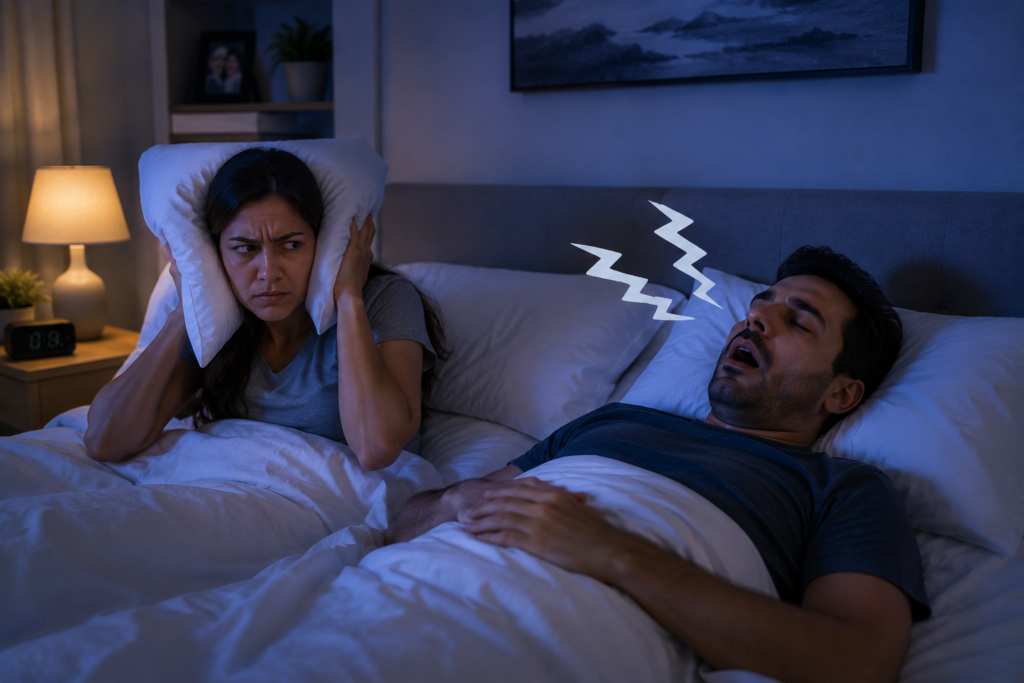
Frequent, loud snoring is one of the most common Signs of Sleep Apnea, especially when it is followed by silence, snorting, or disrupted breathing. Snoring alone does not always mean sleep apnea, but it should not be ignored when other symptoms are present.
2. Breathing Pauses During Sleep
Repeated pauses or interruptions in breathing are important Warning Signs of Sleep Apnea. A partner or family member may notice these episodes, often followed by a gasp, snort, or sudden return to normal breathing.
3. Gasping or Choking During Sleep
Waking up gasping, choking, or feeling short of breath may indicate disrupted breathing during sleep. When these episodes happen repeatedly, they may be among the Symptoms of Sleep Apnea that require further evaluation.
4. Excessive Daytime Sleepiness
Feeling unusually sleepy during the day, even after spending enough time in bed, can be a common sleep apnea symptom. Repeated sleep disruptions may prevent you from getting restful sleep.
5. Waking Up Tired or Unrefreshed
One of the Early Signs of Sleep Apnea is waking up feeling tired despite getting what seems like a full night’s sleep. You may feel exhausted, low on energy, or unrefreshed soon after waking.
6. Morning Headaches
Frequent headaches after waking may occur alongside other Signs of Sleep Apnea. Morning headaches alone do not confirm the condition, but they can be relevant when combined with poor sleep and breathing problems.
7. Difficulty Concentrating or Memory Problems
Poor-quality sleep can affect concentration, attention, and memory. If you regularly experience mental fatigue along with other Sleep Apnea Symptoms, your sleep quality may need further evaluation.
8. Frequent Nighttime Waking
Repeated waking, restless sleep, or sudden awakenings can be possible Signs You May Have Sleep Apnea. Some people may not know why they are waking up frequently during the night.
9. Dry Mouth or Sore Throat in the Morning
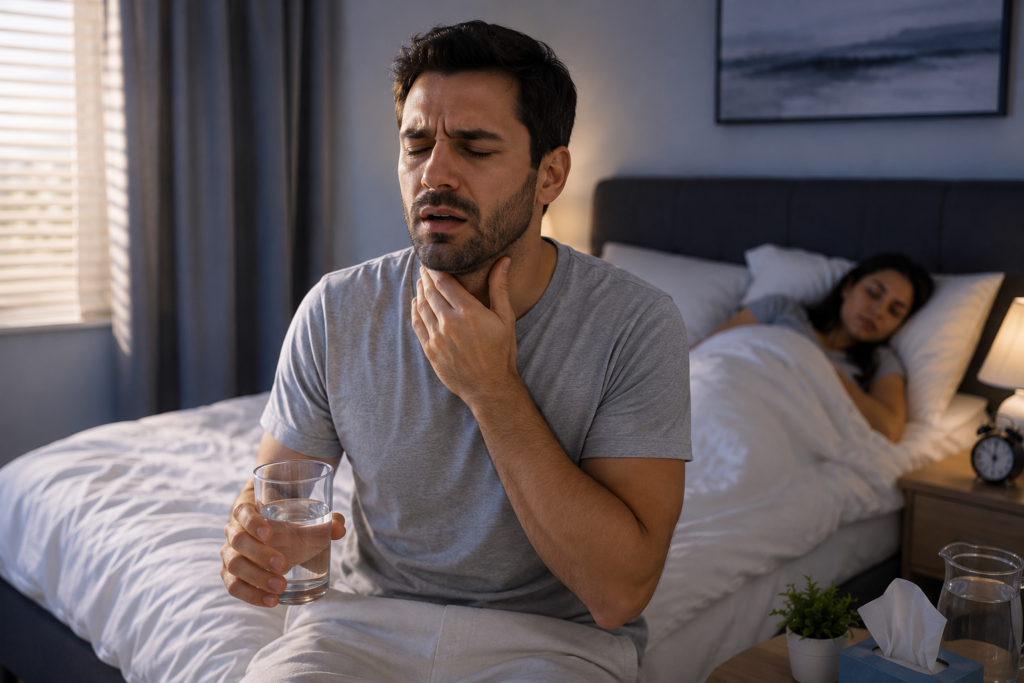
Waking up with a dry mouth or sore throat may occur with nighttime mouth breathing and other sleep-related breathing concerns. These symptoms are more significant when combined with loud snoring or breathing interruptions.
10. Irritability or Mood Changes
Ongoing poor sleep can affect your mood, energy, and ability to manage daily activities. Irritability or mood changes may be associated with sleep disruption when they occur alongside other Common Signs of Sleep Apnea.
Sleep affects many areas of physical and mental functioning. When mood changes occur alongside other Signs of Sleep Apnea, such as daytime fatigue and disrupted sleep, a professional evaluation may help identify the underlying cause.
How Do You Know If You Have Signs of Sleep Apnea?
You cannot confirm sleep apnea based on symptoms alone. However, experiencing multiple Signs of Sleep Apnea may indicate that further evaluation is appropriate.
A concerning pattern may include both nighttime and daytime symptoms.
| Nighttime Signs | Daytime Signs |
| Loud snoring | Excessive daytime sleepiness |
| Breathing pauses | Daytime fatigue |
| Gasping or choking | Morning headaches |
| Restless sleep | Difficulty concentrating |
| Frequent waking | Waking up unrefreshed |
If several symptoms occur together, a sleep specialist can review your symptoms, medical history, and sleep patterns to determine whether sleep testing may be appropriate.
Can You Have Sleep Apnea Without Snoring?
Yes. You can experience Signs of Sleep Apnea without loud snoring.
Snoring is a common symptom, particularly in some forms of sleep-related breathing disorders, but it is not the only possible warning sign. Other Symptoms of Sleep Apnea may include:
- Breathing pauses during sleep
- Gasping or choking
- Frequent nighttime waking
- Excessive daytime sleepiness
- Morning headaches
- Difficulty concentrating
- Feeling tired after sleeping
This is why focusing only on snoring may cause some people to overlook other possible Signs You May Have Sleep Apnea.
What Are the First Signs of Sleep Apnea?
The First Signs of Sleep Apnea can vary from person to person. Some people first notice frequent loud snoring, poor sleep quality, or persistent daytime fatigue.
In other cases, a partner may first notice:
- Breathing pauses
- Gasping
- Snorting
- Restless sleep
Early symptoms can be easy to overlook because they may develop gradually. If your sleep problems regularly affect your energy, concentration, or daily activities, a sleep evaluation may help determine the underlying cause.
When Should You Get Tested for Sleep Apnea?
You should consider discussing Signs of Sleep Apnea with a healthcare professional when multiple symptoms occur regularly, particularly loud snoring combined with breathing pauses, gasping, or excessive daytime sleepiness.
A sleep apnea evaluation may consider:
- Your symptoms
- Sleep habits
- Medical history
- Overall health
- Information from a sleep partner
Based on the evaluation, a Sleep Doctor or Sleep Physician may determine whether a Sleep Apnea Test, a Home Sleep Apnea Test, or another type of Sleep Study is appropriate for your symptoms and individual needs.
How Are Signs of Sleep Apnea Evaluated and Diagnosed?
The Signs of Sleep Apnea can help identify when further testing may be needed, but symptoms alone cannot confirm a diagnosis. Diagnosis typically involves a medical evaluation and appropriate sleep testing.
Sleep Apnea Evaluation
During a Sleep Apnea Evaluation, a physician may discuss your symptoms, sleep habits, medical history, and overall health.
You may also be asked whether anyone has observed:
- Breathing pauses
- Loud snoring
- Gasping or choking
- Restless sleep
- Frequent nighttime waking
This information can help determine the most appropriate next step.
Home Sleep Apnea Test
A Home Sleep Apnea Test may be an appropriate diagnostic option for certain patients with suspected sleep apnea. It allows specific sleep-related measurements to be collected while you sleep at home.
Your physician will determine whether home sleep testing is appropriate based on your symptoms and individual health needs.
Sleep Study
In some situations, a more comprehensive Sleep Study may be recommended. This type of testing can provide additional information about sleep and breathing patterns.
The right testing approach depends on the individual rather than a single test being appropriate for everyone.
What Should You Do If You Notice Signs of Sleep Apnea?
If you regularly experience several Signs of Sleep Apnea, avoid trying to diagnose the condition based only on online information or individual symptoms.
A practical next-step process is:
1. Notice the Pattern
Pay attention to symptoms such as loud snoring, interrupted breathing, gasping, daytime fatigue, and morning headaches.
2. Consider What Happens During Sleep
A sleep partner may notice breathing pauses or other symptoms that you do not remember.
3. Seek a Professional Evaluation
Discuss your symptoms with a Sleep Specialist or healthcare professional.
4. Complete Recommended Testing
A physician may recommend a Sleep Apnea Test, Home Sleep Apnea Test, or Sleep Study when appropriate.
5. Review the Results
If a diagnosis is made, your physician can discuss the next appropriate steps based on your individual needs.
What Happens After a Sleep Apnea Diagnosis?
After a diagnosis, treatment is based on the type and severity of the condition, your symptoms, medical history, and individual needs.
Depending on the diagnosis, management may involve:
- CPAP therapy
- BPAP therapy
- Oral appliance therapy
- Lifestyle recommendations
- Follow-up sleep care
- Other physician-recommended treatment options
The goal is to develop an individualized approach rather than using the same treatment for every person. Recognizing the Signs of Sleep Apnea is the first step; appropriate testing helps guide what happens next.
When Should You See a Sleep Doctor?
You should consider seeing a Sleep Doctor when possible Signs of Sleep Apnea regularly affect your sleep quality, energy, concentration, or daily activities.
An evaluation may be particularly important if you experience:
- Breathing pauses during sleep
- Gasping or choking at night
- Frequent loud snoring
- Excessive daytime sleepiness
- Persistent fatigue despite adequate sleep
- Frequent morning headaches
A Sleep Specialist can evaluate your symptoms and determine whether further sleep testing may be appropriate.
Sleep Apnea Evaluation at Nexus Specialty Clinic
Recognizing the Signs of Sleep Apnea is an important first step, but symptoms alone cannot confirm the condition. Nexus Specialty Clinic provides individualized care for patients experiencing ongoing Sleep Apnea Symptoms and other sleep-related concerns.
A Sleep Doctor can review your symptoms, sleep patterns, medical history, and overall health to determine the most appropriate next steps. Depending on the evaluation, this may include a Sleep Apnea Test, home sleep testing, or other diagnostic options when clinically appropriate.
Nexus Specialty Clinic provides coordinated sleep and pulmonary care to help patients better understand the possible cause of persistent sleep-related breathing concerns and discuss appropriate management options.
Why Choose Nexus Specialty Clinic for Sleep Apnea Care?
If persistent Signs of Sleep Apnea are affecting your sleep and daily life, choosing the right healthcare provider for evaluation can make the process more manageable. Nexus Specialty Clinic provides patient-focused care for individuals experiencing sleep-related and respiratory concerns.
Personalized Sleep Evaluation
The Symptoms of Sleep Apnea can vary between individuals. Evaluation considers your symptoms, medical history, sleep patterns, and overall health needs rather than relying on a one-size-fits-all approach.
Sleep and Pulmonary Care
Nexus Specialty Clinic provides coordinated care for sleep-related breathing concerns and pulmonary health needs when appropriate.
Diagnostic Testing Options
Depending on your evaluation, diagnostic options may include a Home Sleep Apnea Test or other sleep testing approaches recommended by your physician.
Individualized Treatment Planning
If sleep apnea is diagnosed, management is based on the individual’s condition, symptoms, and clinical needs.
Care for Cypress and Nearby Communities
Nexus Specialty Clinic serves patients in Cypress and surrounding communities seeking professional evaluation for persistent Signs of Sleep Apnea and related sleep concerns.
With comprehensive evaluation and appropriate diagnostic and treatment support, Nexus Specialty Clinic helps patients take the next step toward understanding their sleep concerns and improving their overall sleep health.
Don’t Ignore Ongoing Sleep Problems—Talk to a Sleep Specialist
If loud snoring, breathing pauses, gasping during sleep, persistent fatigue, or other Symptoms of Sleep Apnea are affecting your daily life, a professional evaluation can help determine the appropriate next step.
Schedule a consultation with Nexus Specialty Clinic to discuss your sleep concerns and find out whether further evaluation or sleep testing may be appropriate.
Conclusion
The Signs of Sleep Apnea are not always limited to loud snoring. Breathing pauses, gasping during sleep, excessive daytime sleepiness, waking up tired, morning headaches, and difficulty concentrating can also be important symptoms.
Recognizing these Warning Signs of Sleep Apnea does not mean you can diagnose the condition yourself. However, understanding the possible symptoms can help you know when professional evaluation may be appropriate.
If you regularly experience multiple Signs of Sleep Apnea, speaking with a Sleep Doctor can help determine whether further testing and appropriate care are needed.
FAQ’s – 10 Common Signs of Sleep Apnea You Should Not Ignore
Q1. What are the most common Signs of Sleep Apnea?
Ans. Common Signs of Sleep Apnea include loud snoring, breathing pauses, gasping or choking during sleep, excessive daytime sleepiness, waking up tired, morning headaches, and difficulty concentrating.
Q2. What are the First Signs of Sleep Apnea?
Ans. The First Signs of Sleep Apnea may include frequent loud snoring, poor-quality sleep, daytime fatigue, and waking up feeling unrefreshed. A sleep partner may also notice breathing pauses or gasping.
Q3. Can you have sleep apnea without snoring?
Ans. Yes. You can have sleep apnea without loud snoring. Other possible Symptoms of Sleep Apnea include breathing pauses, gasping, excessive daytime sleepiness, frequent waking, and morning headaches.
Q4. How do you know if you have sleep apnea?
Ans. You cannot confirm sleep apnea based on symptoms alone. However, experiencing several Signs of Sleep Apnea may indicate that a professional evaluation and appropriate sleep testing are needed.
Q5. When should you get a Sleep Apnea Test?
Ans. You should consider a Sleep Apnea Test when you regularly experience multiple symptoms, particularly breathing pauses, gasping during sleep, loud snoring, or excessive daytime sleepiness.